How to Plan a Trip to Switzerland: Days, Seasons, Costs & Where to Base Yourself
This post contains affiliate links. If you book through them, I may earn a small commission at no extra cost to you — see my full disclosure. Thank you for supporting Scoring Stamps.
Big peaks, tiny car-free villages, and trains that run to the minute. Here’s how I’d plan a first trip to the Jungfrau region — where to base yourself, when to go, and what it actually costs.
Switzerland, the essentials
If you’re trying to figure out how to plan a trip to Switzerland and feeling a little overwhelmed — too many regions, too many trains, prices that make your eyes water — take a breath. I planned my own Swiss trip obsessively (fourteen browser tabs, a hotel spreadsheet sorted by season), and the single biggest thing I learned is that the way you plan matters more than how much you cram in. This is the guide I wish I’d had: how many days you need, when to go, what it really costs, where to base yourself, and the planning mistakes to skip.
The one rule that fixes most Switzerland trips
If you remember nothing else, remember this: pick one region and go deep. Switzerland is tiny on a map and exhausting in practice — every valley is its own world of cable cars, trains and villages, and the people who try to “see it all” in a week spend that week on trains, not mountains. I planned my own trip obsessively (fourteen browser tabs and a hotel spreadsheet sorted by season), and the biggest thing I learned is that the way you structure a trip matters more than which postcard spots you tick off. One region, done properly, beats four done in a blur.
How many days do you need in Switzerland?
Short answer: about a week per region. Here’s how it actually shakes out:
- A long weekend (3–4 days): one base and its headline sights — say Interlaken with Grindelwald and Lauterbrunnen. Fast, but real.
- One week (5–7 days): the sweet spot. One region, gone deep — hikes, a couple of summits, the villages, and time to do nothing by a lake. The trip I’d send most first-timers on.
- Ten days: one region in full, plus a city bookend (Zürich or Lucerne) or a slow second base nearby.
- Two weeks+: now you can pair two regions — the Jungfrau and Zermatt, say, or the Jungfrau and the Engadin — with a travel day between. Resist the urge to add a third.
Whatever you do, build in a buffer day. Flights get delayed (mine landed a full 24 hours late), and a packed, pre-paid day one is the fastest way to start a trip exhausted.
Where to base yourself: the five regions, honestly compared
This is the decision that shapes everything. Here’s the honest rundown of the regions worth building a trip around — and who each is for.
The Jungfrau region (Bernese Oberland) — the classic first trip
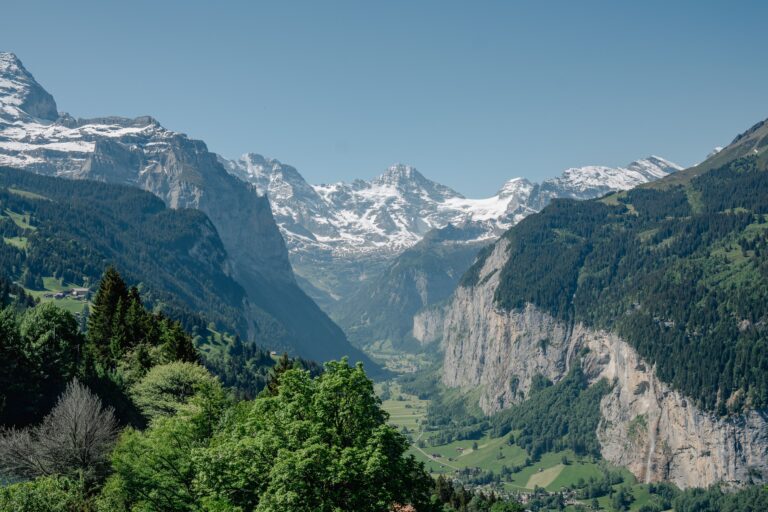
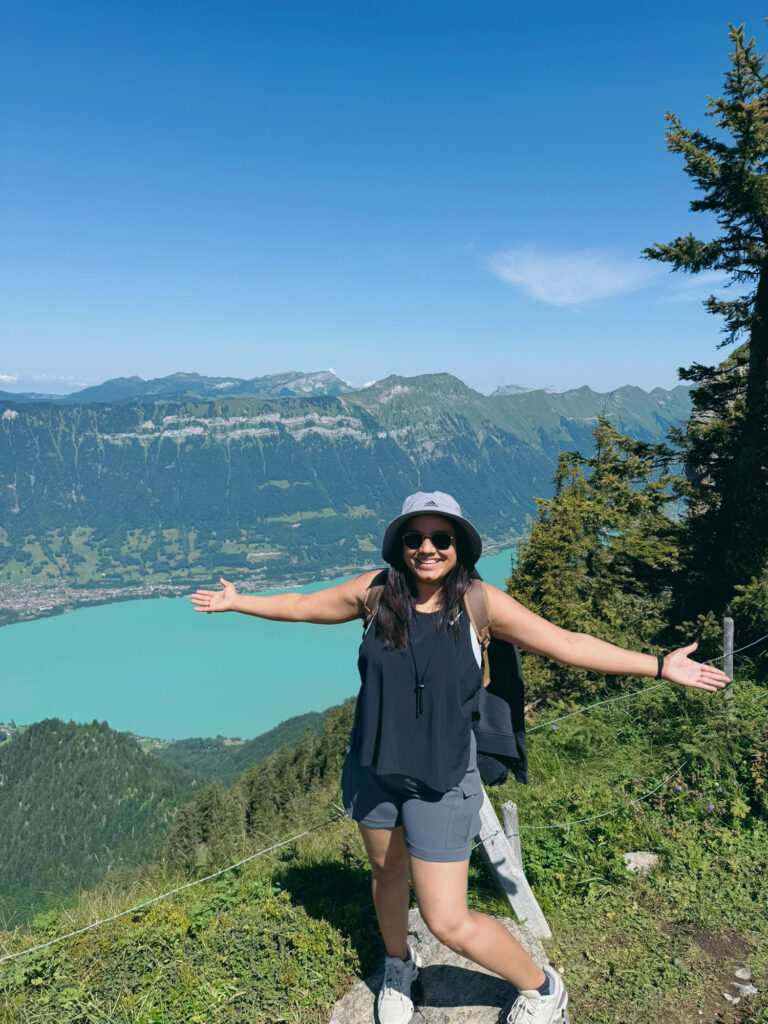
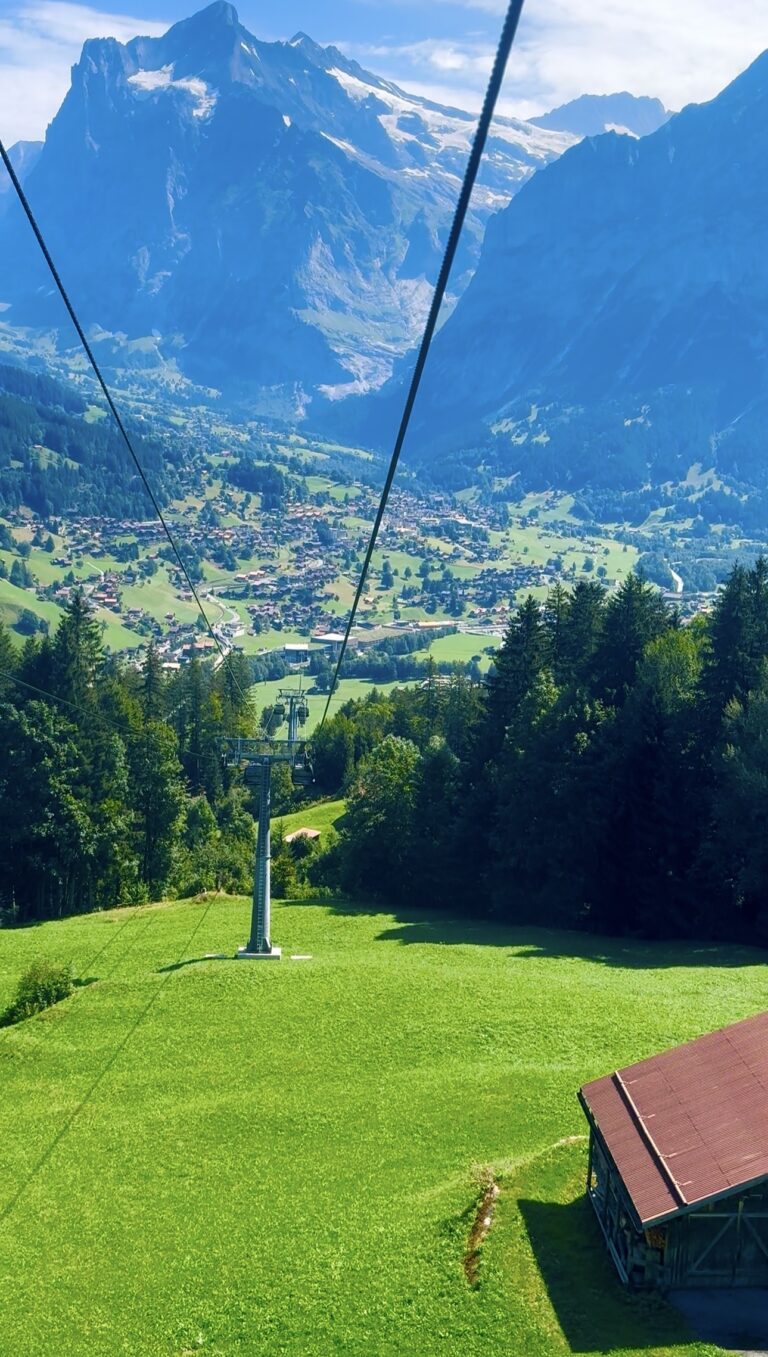
Green valleys, snow giants (the Eiger, Mönch and Jungfrau), and the densest network of cable cars and mountain trains in the country, all reachable from Interlaken. It’s the most beginner-friendly base in Switzerland: everything connects, the scenery is screensaver-grade, and you genuinely can’t go wrong. Base here if it’s your first trip and you want maximum mountain for minimum logistics. (It’s the one region I’ve done in full — here’s my 6-day Jungfrau itinerary, day by day.)
Zermatt & the Valais — the Matterhorn splurge
Car-free, polished, and built around the most famous mountain on earth. Zermatt is a little secluded (you swap your car for the train at Täsch), but the excursions start right in the village and the Matterhorn views are unmatched. Base here if you want one iconic mountain, a touch of luxury, and don’t mind paying for it.
St. Moritz & the Engadin (Graubünden) — high, dry and elegant
Upper-crust alpine in the wide, sunny Upper Engadine valley — glittering lakes, larch forests that turn gold in autumn, and serious hiking and skiing. It’s further east and feels different: quieter, more refined, less tour-bus. Base here if you’ve done the classics and want somewhere with its own character (and the Graubünden regional pass to get around).
Lucerne & Central Switzerland — the easy city-plus-mountains base
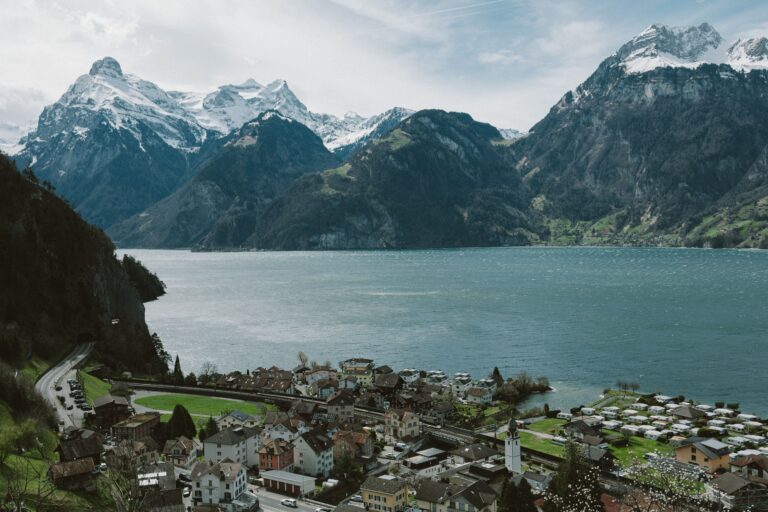
A gorgeous lakeside city with a medieval core, right at the edge of the Alps with Pilatus, Rigi and Lake Lucerne on the doorstep. It’s the most painless introduction to the country — about two hours from the Jungfrau and 2.5 hours (express) from Zürich airport. Base here if you want a real city plus easy mountain day trips, or a soft first or last stop.
Montreux & the Swiss Riviera (Lake Geneva) — vines, lake and mild air
The warm side of Switzerland: palms on the promenade, the Lavaux vineyard terraces, Château de Chillon on the water, and a gentler, almost Mediterranean pace. Base here if you want lakeside and wine country over high-alpine drama — it pairs beautifully with a Matterhorn leg.
💡 My take: for a first trip, base in the Jungfrau and don’t overthink it. Save Zermatt, the Engadin and the Riviera for trip two — or pair one with the Jungfrau if you’ve got two weeks.
When to go: a month-by-month cheat sheet
Switzerland is a four-season country, and the “best” time depends entirely on what you’re here for. The honest summary: late June through September for the mountains, with September the quiet sweet spot.
- April–May (spring): mild, blooming, quiet, great value — but high trails are still snowed in, so it’s better for valleys, cities and lower walks.
- June: early-summer magic. Most trails open, lush green everywhere, long days, and noticeably fewer crowds than July–August.
- July–August (peak): the best weather, every high trail snow-free, daylight past 9 pm — but the biggest crowds and the highest prices. Book early.
- September: my pick for a first trip. Stable, sunny, crisp views, gold larches, the best high-altitude hiking, and the summer crowds gone.
- October: beautiful and golden lower down, but the high lifts and trails start closing for the season — check before you bank on a summit.
- December–March (winter): ski season. Magical, but a different trip entirely — and Christmas and New Year in the resorts cost more than peak summer.
Trains, passes and the SBB app: how to actually get around
You do not need a car in Switzerland — the trains, cable cars, buses and boats are the attraction, and they connect to the minute. Two things to set up before you go:
📲 Install the SBB Mobile app first. Live routes, exact times, and your tickets in one place — the single most useful thing you’ll have on the ground.
The pass question is where everyone gets stuck. The honest version (full detail in my Swiss travel pass guide):
- Swiss Travel Pass (2nd class, 2026): from CHF 254 (3 days) to CHF 499 (15 days). Unlimited trains, buses and boats, 500+ museums free, ~50% off most mountain lifts (about a third off Jungfraujoch). Worth it if you’re moving a lot — four-plus active travel days, multiple regions, city-hopping.
- Swiss Half Fare Card (CHF 150, 2026): 50% off almost everything — trains and nearly every lift — for a month, and you only pay for what you take. Worth it if your trip is mountain-heavy and based in one region (it often beats the full pass for exactly that).
- Regional passes (Berner Oberland CHF 240–435; Graubünden flex; etc.): great value if you’re parked in one region. I used the Berner Oberland Pass — and buy second class; first is ~30% more for a seat that was tiny and packed every time.
- Guest Cards: free, handed to you when you stay overnight (they come with the tourist tax). In many resorts they cover local buses and some lifts outright — so don’t buy what your hotel is about to give you.
🎫 Two things that’ll save you money: regional passes don’t start until you’re in the region (mine, the Berner Oberland Pass, only kicked in at Lucerne — so I paid Zürich↔Lucerne separately). And for legs your pass doesn’t cover, book the cheap Supersaver tickets early — they’re dynamically priced and vanish as your date nears (just know they’re tied to one train and non-refundable).
What a trip to Switzerland actually costs
Switzerland is expensive — no pretending otherwise — but it’s not uniformly expensive, and a lot of the budget is in your hands. Real 2026 ballparks, per person per day:
- Budget: ~CHF 120–200/day — hostels or a valley apartment, Coop picnics, free trails, the Half Fare Card.
- Mid-range: ~CHF 250–350/day — a comfortable hotel or Airbnb, a mix of restaurant and self-catered meals, a couple of paid summits.
- Splurge: CHF 650+/day — the cliffside hotels, the long lunches, the helicopter-adjacent everything.
Where the money actually goes:
- Lodging is the big one. I splurged on a mountain cottage above Grindelwald at about CAD $495 a night — a choice, not the price of admission; plenty of valley hotels cost far less.
- Transport: a mountain-focused week runs roughly CHF 800–960 without a pass, less with one — which is exactly why the pass maths matters.
- Lifts: the big ones aren’t cheap (Grindelwald First gondola ~CHF 60 return; tandem paragliding from ~CHF 180), but passes shave 25–50% off.
- Food: a mountain-restaurant main runs CHF 25–40, but a Coop or Migros picnic in the valley is the great budget hack (and honestly half our best meals).
- The tourist tax (Kurtaxe): CHF 2.50–3.50 per adult, per night, usually paid in cash at check-out and not always shown in the room rate.
A sample week: the Jungfrau region
Want to see how a real week comes together — day by day, with what to skip and what it cost? Here’s the exact trip I took: my 6-day Jungfrau itinerary, mistakes and all.
Tourist mistakes to avoid
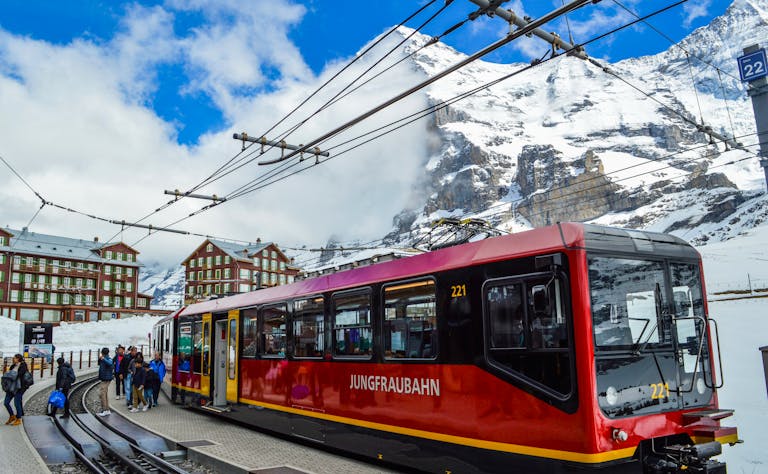
- Treating Jungfraujoch as compulsory. The “Top of Europe” is iconic and expensive, and not everyone loves it — if you’ve seen big glaciers before, the money may go further elsewhere. (I skipped it and didn’t regret it.)
- Overstuffing the days. This isn’t a checklist country. One or two big things a day, with room to sit by a lake, beats five rushed ones.
- Paying for first class. The first-class sections are small and were packed every time I rode — second class is the same view for less.
- Not reserving “covered” scenic trains. Even when your pass covers a panoramic train, the seats often need a reservation — and they sell out months ahead. We missed one that way.
- Ignoring the last bus. Mountain-village buses can stop as early as ~6:45 pm. Stay near the station, or plan your evenings around it, or you’ll be hiking up in the dark (we did, more than once).
- Buying what your guest card already covers. Check what your overnight stay includes before you pay for local transport or lifts.
Things to know before you go
- The tap water is perfect. Drink it everywhere and refill at any public fountain marked Trinkwasser — bottled water here is a tourist tax of its own.
- Shops close on Sundays. Most stores run Mon–Fri to about 6:30 and Saturday to ~5, then shut Sunday. Stock up Saturday (also when those Coop picnics get planned).
- Tipping is easy. Service is included; rounding up or ~10% for good service is appreciated, not expected.
- Car-free villages need a luggage plan. Wengen, Mürren and Gimmelwald don’t allow cars; Wengen and Mürren have electric taxis (and Swiss rail will move your bags door-to-door with the “Luggage Special”), but the rustic spots have less — check before you book a hotel up a hill.
- Carry some cash. Cards work nearly everywhere, but the tourist tax and the smallest cash-only spots (the cliffside rösti place in Mürren, for one) still want francs.
- Data: a Switzerland eSIM is cheap and instant — sort it before you land so the SBB app works from the airport.
Switzerland planning FAQ
How many days do you need in Switzerland?
About a week per region. A week in one area (say the Jungfrau) is the sweet spot for a first trip; ten days lets you add a city or a slow second base; two weeks lets you pair two regions.
When is the best time to visit Switzerland?
Late June through September for the mountains, with September the quiet sweet spot — stable weather, the best high hiking, and the summer crowds gone. April–June and October are great value lower down.
Is Switzerland expensive?
Yes, but not uniformly — budget around CHF 120–200/day at the low end and CHF 250–350 mid-range, and you control a lot of it through lodging, picnics and the right rail pass.
Do you need a car in Switzerland?
No. Trains, cable cars, buses and boats reach virtually everywhere and run to the minute — a car is often a liability (and a parking headache) in the car-free mountain villages.
The bottom line
Planning Switzerland feels overwhelming because it’s so dense with options — but the trip itself is the easy part once you’ve made the one decision that matters: pick a region, give it a week, and let the trains do the rest. Start with the Jungfrau if it’s your first time, go in shoulder season if you can, and don’t be the person who watches a once-in-a-lifetime week slide past a train window. Go deep — you’ll be back for the rest.
Where I’d actually spend my days
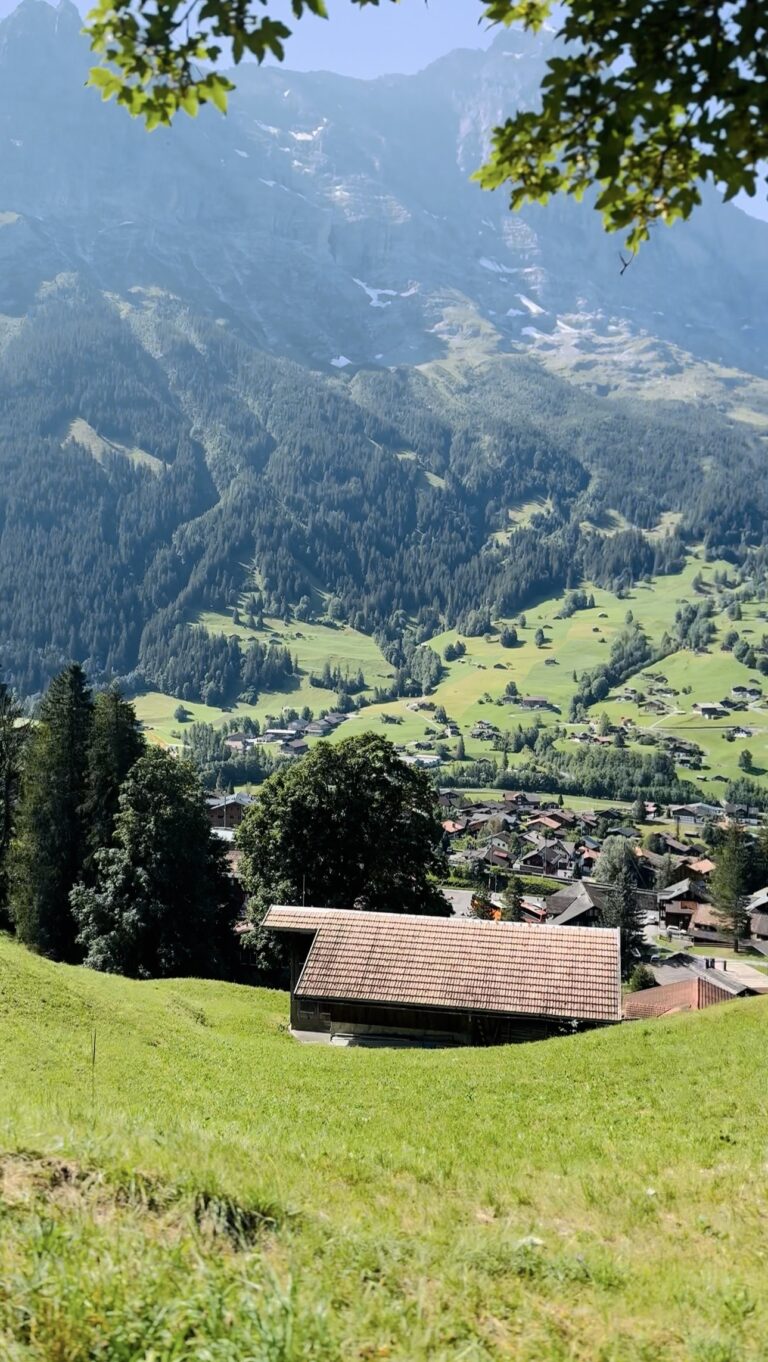
If I could only pick one base, it’d be Grindelwald — you wake up under the Eiger, ride First for the Cliff Walk and the easy hike up to Bachalpsee, and you’re still half an hour from almost everywhere else in the valley.
Explore Grindelwald →